
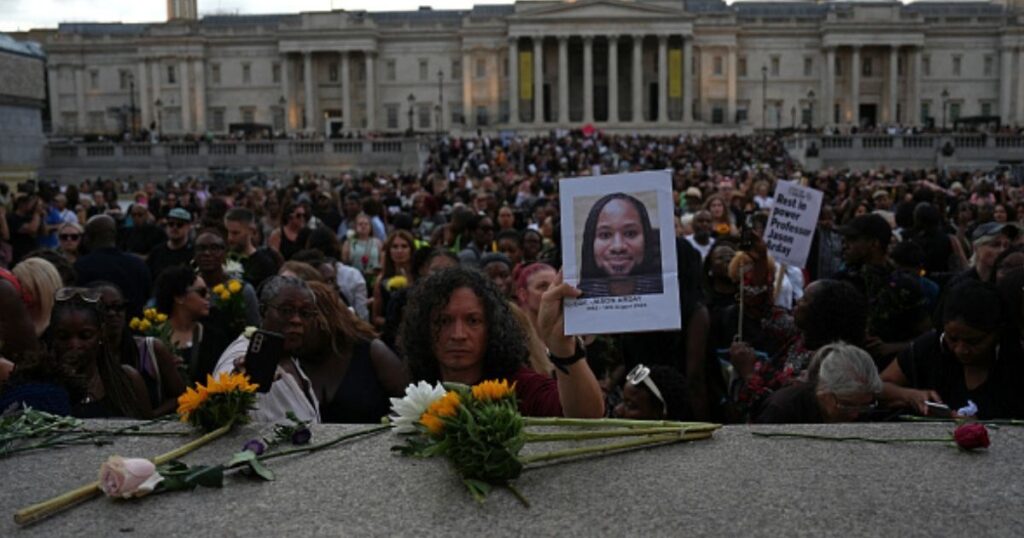
Jason Arday’s appointment at the University of Cambridge was celebrated in 2023 as a historic breakthrough. Two years later, his case had become a painful flashpoint over academic standards, diversity initiatives and how universities handle scrutiny of prominent appointments.
Arday was named Professor of Sociology of Education at Cambridge in 2023 and was described in the source commentary as the youngest Black professor in the university’s 817-year history. His appointment was widely framed as a major diversity milestone.
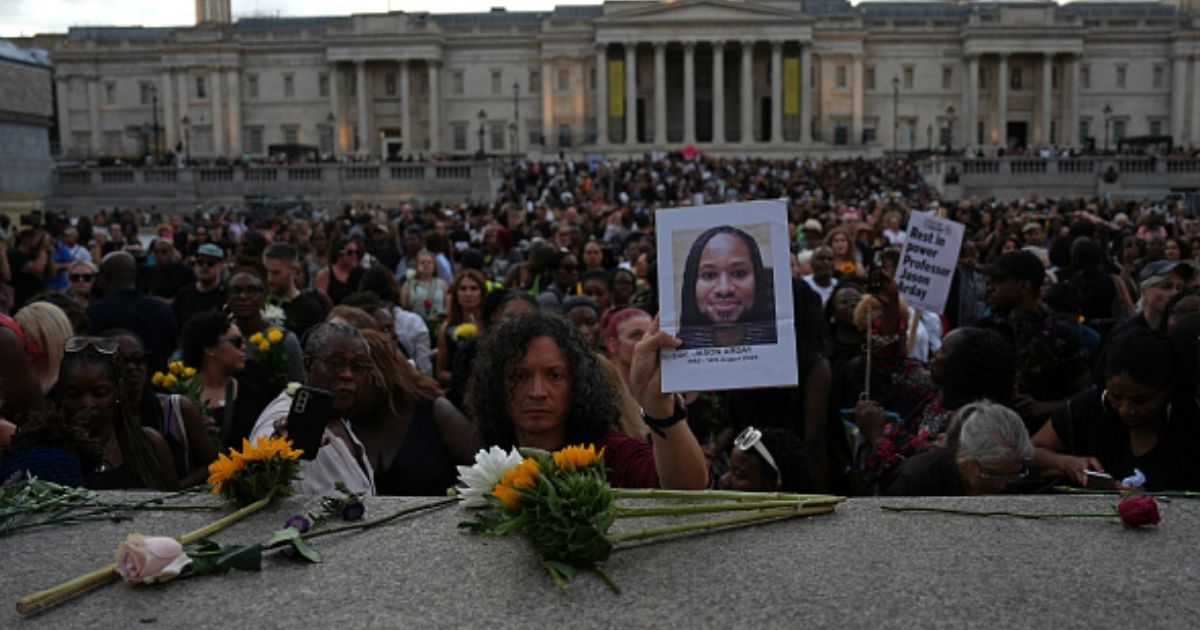
In 2026, according to the source, serious questions emerged about his academic work and parts of his professional and personal history. The allegations included plagiarism in his doctoral research and inaccurate claims about his career. The source also states that some faculty described him as a “fabulist.”
Cambridge later opened an investigation, and Arday resigned on Aug. 5, according to the source. He was found dead in London nine days later at age 41.
A death surrounded by caution
The source says that, as of Aug. 19, police had not publicly established a cause of death, though reporting had widely described the death as an apparent suicide.

That distinction is essential. The available source does not establish that Cambridge’s policies, the allegations, public scrutiny or any other single factor caused Arday’s death. It also does not establish what Arday was thinking in his final days.
According to the source, Arday’s family said sustained abuse and misinformation contributed to his distress. Other accounts cited in the commentary focused on scrutiny tied to the allegations.
The debate over DEI and standards
The source commentary argues that Arday’s case should prompt universities to examine whether diversity, equity and inclusion efforts can sometimes overshadow verification, achievement and accountability.
The author, Dr. Alex McFarland, argues that academic appointments should rest on demonstrated scholarship and teaching qualifications rather than institutional pressure to showcase representation. He also writes that qualified Black scholars deserve the same recognition as anyone else in a true meritocracy.
McFarland’s central criticism is that institutions may risk harming candidates if they elevate symbolic value while failing to scrutinize credentials with equal rigor. He frames that as patronizing rather than empowering.
Those claims remain opinion. The source does not provide Cambridge’s full response, the details of its investigation, or independent findings resolving the allegations against Arday.
A tragedy that still leaves institutional questions
Arday’s death is a human tragedy before it is a political argument. The source identifies him as a father and emphasizes that his story should not be treated as a partisan trophy.
Still, the controversy has left Cambridge and other universities facing difficult questions: Were concerns about Arday’s work known earlier? Were they handled properly? And how can institutions pursue wider opportunity while preserving public confidence in academic standards?