
A viral TikTok from creator @lyr1c titled “tipping propaganda” has set off a fierce online fight over U.S. tipping norms, with viewers clashing on whether gratuity is a choice or an expectation. According to the Daily Dot, the video had nearly 24,000 likes at the time of publication.
What the creator argued
The creator questioned the idea that customers are obligated to add gratuity to a restaurant bill. He said he generally tips but has grown frustrated with social media commentary that paints smaller tips—or none at all—as immoral. He argued that tipping should remain voluntary, stating his understanding that employers must cover any gap if a worker’s tips do not bring pay up to the applicable minimum wage. By the end of the video, he suggested he may reconsider his own tipping habits.
Supporters cite big tip days
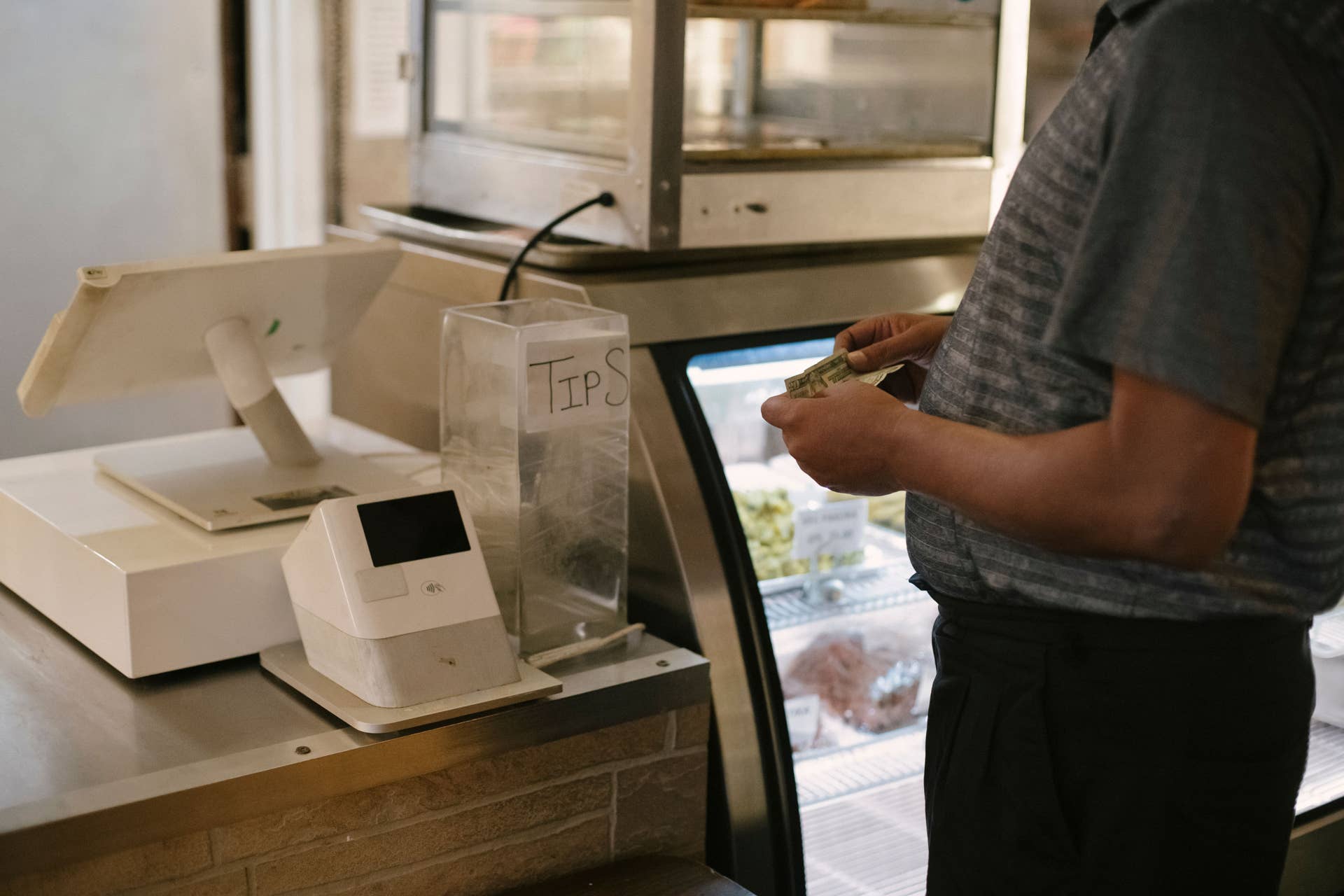
Some commenters agreed, claiming restaurant workers can earn substantial income from tips. One commenter said servers they knew made roughly $47 per hour during a five-hour shift and still complained about poor tips. Another person, who said they spent six years in the service industry, maintained that many servers can make what they consider good money. Others objected to the idea that diners are effectively paying twice toward compensation.
Workers push back on $2–$3 base pay
Servers and former restaurant employees countered that the video glossed over tipped work. Several commenters said they personally earned about $2 to $3 per hour in direct wages. One worker described receiving $2 per hour during a slow shift with roughly $60 in tips.
Another commenter disputed that employers always immediately make up shortfalls when tips and wages do not hit the minimum, saying workers may need to complete paperwork and wait for the missing pay. Commenters also noted that tipped-wage rules vary by state; one cited Indiana’s tipped cash wage as $2.13 per hour, arguing that national generalizations are hard to apply.
Who gets tipped—and who doesn’t?
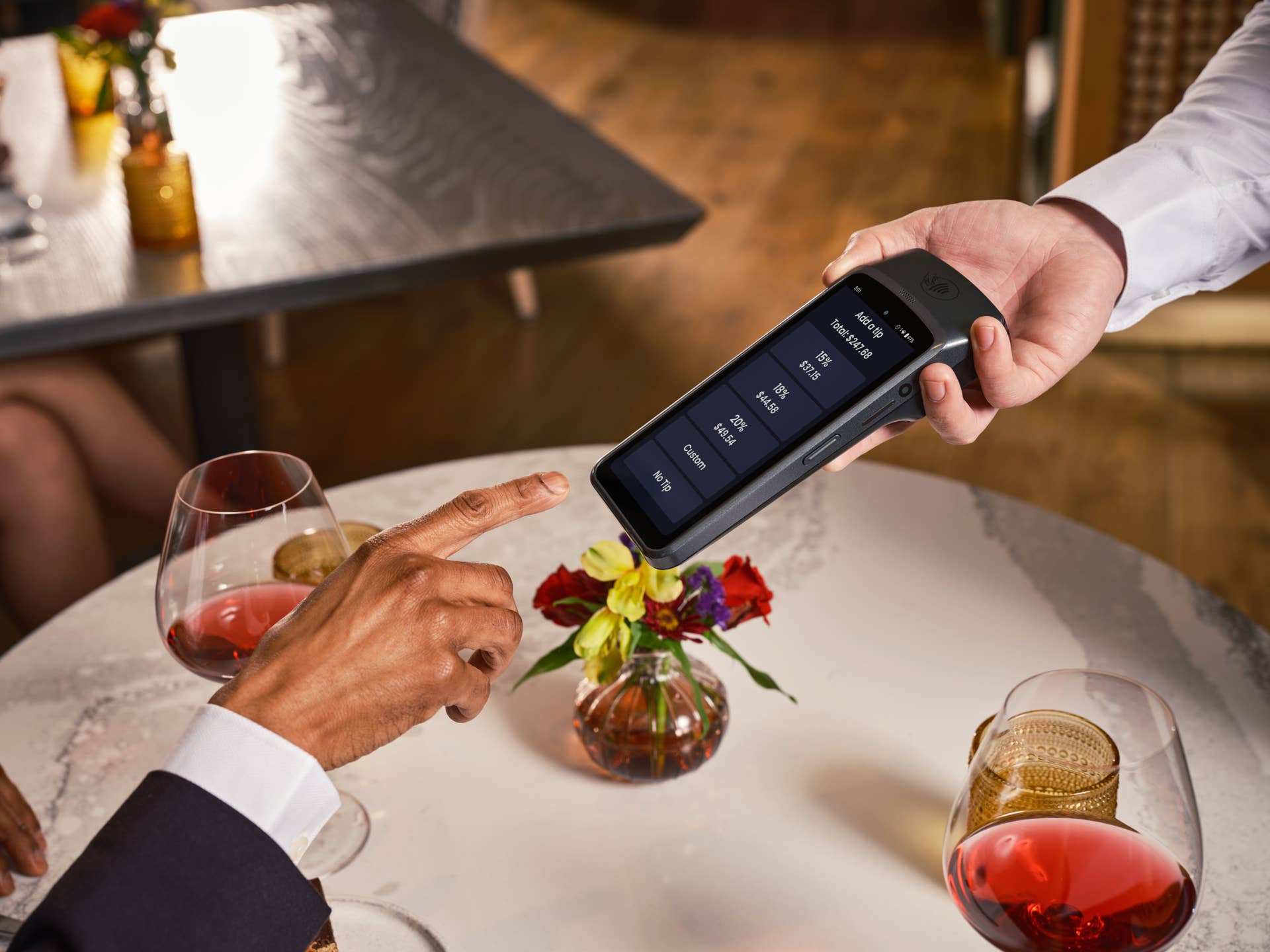
Some viewers questioned why restaurant servers are routinely tipped while other customer-service workers aren’t. One pointed question raised: If tipping is expected at a restaurant, should customers also tip a barber?
The debate isn’t going away
The exchange, reported by the Daily Dot, underscored a long-running divide: for some diners, tipping feels like an increasingly pressured expense; for many restaurant workers, tips remain a significant part of income.